
 securetools.live • October 2026
Document View Tracking and Investor Privacy: What Founders Should Know

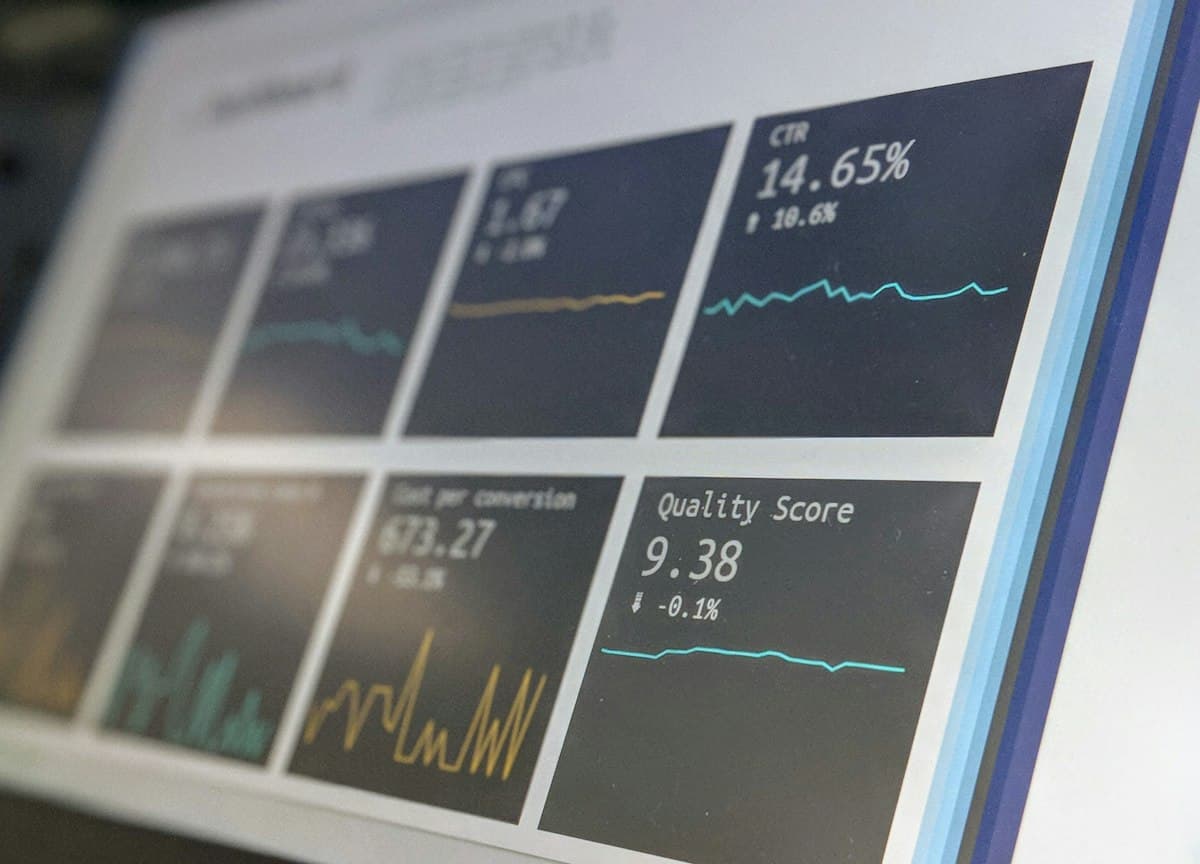
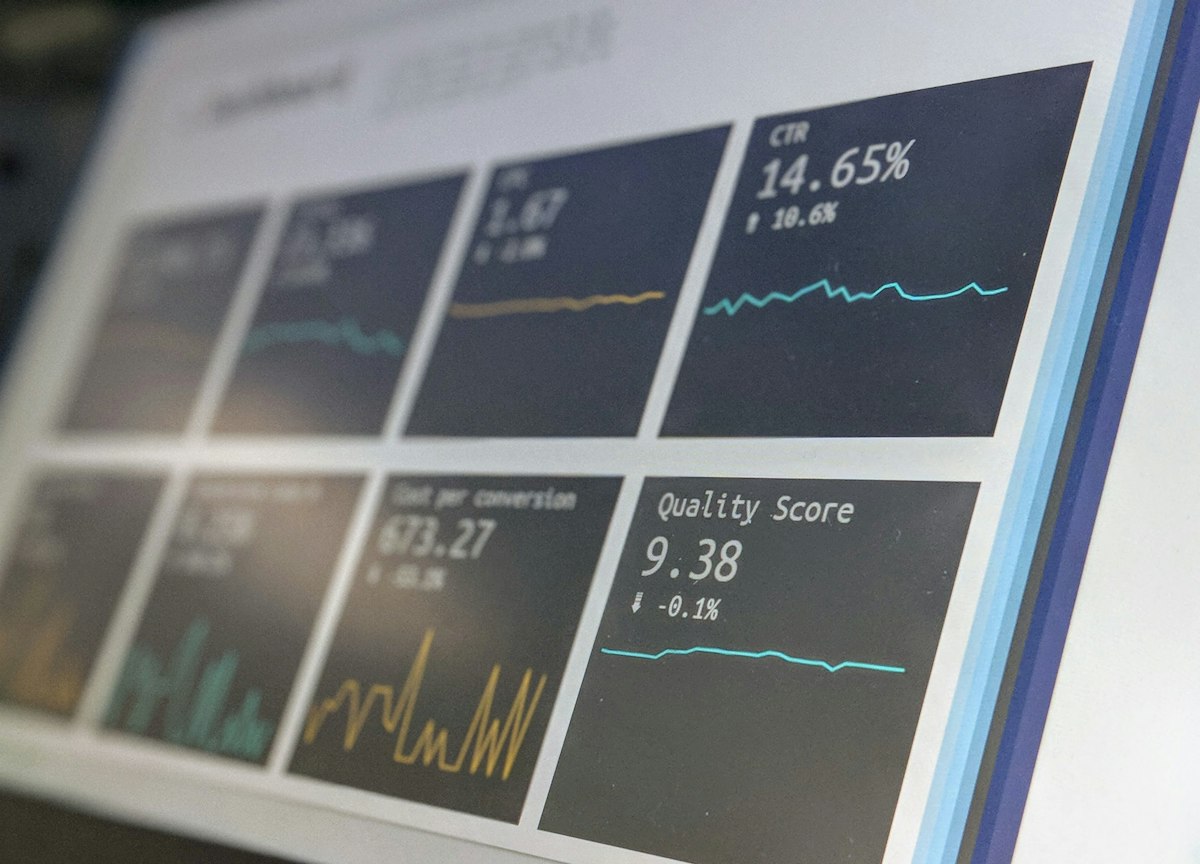
Use viewer activity responsibly and understand the limits of opens, session lengths, tracking signals and identity inference. Treat document analytics as operational context for follow-up rather than secret surveillance. Recognize that scanners produce false opens, and never substitute tracking for genuine investor relationships.
Compare DocSend alternatives, view-tracking platforms, and privacy-first document analytics tools.
1. Ask why you want analytics
The legitimate aim of document tracking is to confirm whether material was successfully received and to prepare timely, relevant follow-up discussions. Treat analytics as operational context, not as a secret surveillance score assigning investment likelihood to venture partners.


2. Define each metric clearly
An open event is not necessarily a human reading event. Enterprise mail-security scanners (such as Microsoft Defender or Mimecast) automatically click and unfurl links in seconds to verify absence of malware. Time-on-document estimates may also reflect an idle tab left open during lunch rather than rapt attention.


| Observed Metric | Realistic Explanation | Founder Interpretation Risk |
|---|---|---|
| Immediate Open (<10s) | Mail server security scanner checking URL safety | Assuming partner opened email before opening their inbox |
| 45-Minute Session | Background browser tab left open during a meeting | Assuming deep analytical diligence of pitch slides |
| High Time on Slide 6 | Complex font, confusing chart, or distracted viewer | Assuming the team fell in love with your go-to-market plan |
| Multiple Geographic IPs | VPN node switching, mobile cell tower handoff, or internal forward | Assuming unauthorized external syndication without verification |
3. Respect viewer expectations & privacy
When a recipient follows a document link, they may not expect detailed tracking of every mouse scroll and seconds spent on individual slides. Clearly disclose that view metrics are collected to improve presentation relevance. Collecting excessive fingerprinting data (browser plugins, battery status, exact geolocation) damages trust.


4. Use consent and access responsibly
If your data room gates access by requiring the viewer to enter their business email or complete an OTP code, this improves attribution accuracy. However, never expose or sell recipient viewing logs, and never circulate private investor engagement metrics to other syndicate participants.
5. Interpret page-level interest cautiously
If an investment analyst spends 5 minutes on your cap table slide, that does not necessarily mean they are preparing an investment term sheet. It could mean your option pool math does not foot, or your share class preferences are non-standard. Use high-duration slides as prompts to proactively offer clarification during your next meeting.
6. Protect audit and visitor log data
Under privacy legislation, IP addresses, email credentials, and timestamped activity logs constitute protected personal data. Limit internal dashboard access to founders and designated diligence managers. Ensure your sharing vendor enforces encryption at rest and role-based log permissions.
7. Follow up helpfully without surveillance vibes
The most common mistake founders make is revealing too much tracking knowledge in outreach emails. Compare these two follow-up styles:
“Hi Mark, I saw you opened my deck link at 11:42 PM and spent 3 minutes and 12 seconds on our financial forecast slide. When can we talk?”
“Hi Mark, checking in to see if you had any questions on our unit economics or expansion forecast. Happy to send over the underlying model if helpful.”
8. Compare hosted and offline tracking mechanics
Document tracking relies entirely on client-server pings emitted by the browser viewer. As soon as you permit a recipient to download an offline PDF or Excel workbook, all subsequent views, forwards, and print actions become completely invisible. If continuous visibility is essential, disable downloads.
9. Do not confuse analytics with security
Analytics are an observation tool, not an access boundary. Knowing that someone in another country viewed your pitch deck does not prevent them from downloading images or circulating your proprietary information. Pair analytics with strong access controls: email verification, dynamic watermarks, and link expirations.
10. Create an ethical measurement framework
Adopt a clear standard: track only what is needed to verify transmission and facilitate communication. Do not attempt covert identity deanonymization, and provide recipients with a direct way to opt out or request complete deletion of their access logs.
11. Situations that change the answer
Late-stage confirmatory diligence
When legal counsel and accounting teams conduct deep due diligence, they expect clean access without intrusive surveillance popups. Focus on compliance logging rather than time-on-slide analytics.
Cold pitch distribution
When sending cold pitches, requiring email verification will drastically reduce clickthrough rates. Use lightweight tracked links to gauge broad interest before adding email gates.
12. Community advice: how to evaluate claims
Venture partners on podcasts and blogs frequently state that they find overly aggressive link tracking off-putting. The consensus among successful founders:
13. Documented decision checklist
Verify your analytics and tracking settings before launching outreach:
14. Frequently asked questions (FAQ)
No. Automated mail-security link previewers, anti-phishing bots, and virus scanners routinely click and unfurl links immediately upon delivery. Treat initial opens as technical receipt rather than genuine human engagement.

About the Author: Mohamed Siraj
Mohamed is the founder of SecureTools.live. He leads the team in building secure, compliant, and privacy-first directory tooling for software teams, finance professionals, and enterprise security leaders worldwide.